From Catch to Cuisine: Perfecting Fish Filleting With the Right Knife
Mastering the practice of fish filleting calls for a blend of proficiency and the right tools. A carefully picked knife can make all the difference in reaching exactness and quality. With a clean workspace and core techniques in place, anyone can upgrade their culinary creations. Nevertheless, common pitfalls can hinder progress. Understanding these details is vital for success. The journey from catch to exquisite cuisine begins here, and the subsequent steps will reveal the formula to perfect fillets.
Selecting the Perfect Knife for Cleaning Fish
Picking the right knife for filleting fish is necessary to achieve smooth cuts. A filleting knife usually has a long, flexible blade, which allows for better maneuvering around bones and skin. Most filleting knives span from six to nine inches; the option typically depends on the size of the fish being prepared. The blade's material, such as stainless steel or high-carbon steel, plays an important part in durability and sharpness. A ergonomic handle, often constructed from wood or synthetic materials, ensures comfort during use, minimizing hand fatigue. Moreover, some knives feature a tapered design that enhances control and precision. Picking a knife with a firm grip and a razor edge can significantly enhance the filleting process, yielding perfectly cut fillets. Therefore, dedicating time to choosing the ideal knife is crucial for anyone aiming to master fish filleting.
Get Your Space Ready for Filleting Fish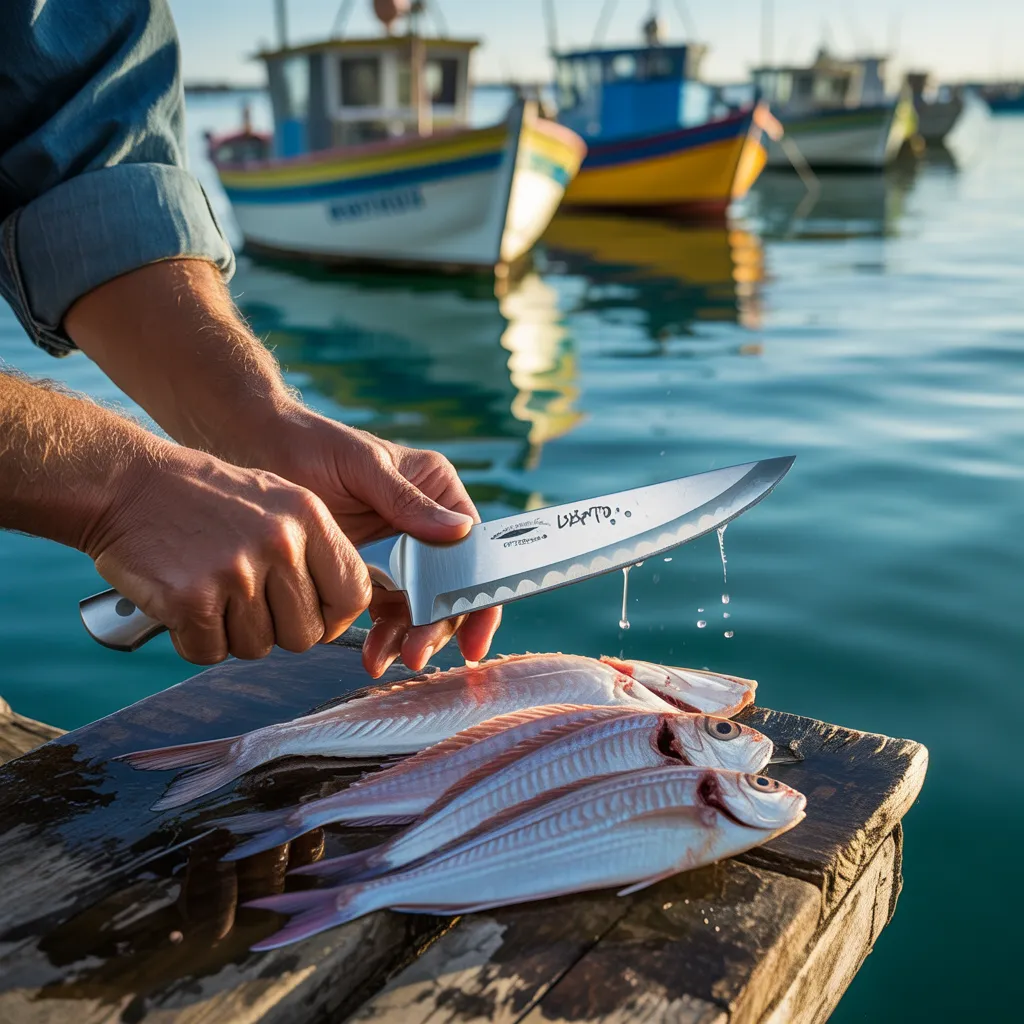
Organizing the workspace for fish filleting is as important as selecting the right knife. A clean, organized area guarantees performance and safety during the process. The ideal workspace should be a level, strong surface, preferentially a dedicated cutting board that can professional guide bear the use of sharp knives.
It is important to keep all required equipment within reach, including a filleting knife, cutting board, and a bowl or container for the discarded parts. Proper lighting is also essential; a well-lit area allows for greater visibility of the fish's structure and any delicate filleting tasks.
Furthermore, it is recommended to keep a damp cloth nearby for quick clean-ups, minimizing the risk of slipping. Finally, ensuring that the workspace is clear of interruptions promotes focus and precision, ultimately resulting in better results. A properly arranged environment significantly aids in mastering the art of fish filleting.
Essential Techniques for Filleting Fish: A Sequential Tutorial
Selecting the proper knife is vital for obtaining precise cuts when deboning fish. Comprehending the different deboning techniques enhances both efficiency and accuracy. This guide will describe the essential steps to master the art of fish deboning.
Choosing The Right Knife
A quality knife is essential for successful fish filleting, as it not only enhances precision but also guarantees a clean cut. The ideal knife for this task is flexible and sharp, typically featuring a long, narrow blade that allows for intricate cuts along the fish's spine and ribs. A filleting knife, often around 7 to 9 inches in length, provides the right balance between control and reach. Handle materials, such as wood or plastic, should offer a secure grip to prevent slippage during use. Additionally, a well-maintained knife, regularly sharpened, will perform better and reduce the risk of injury. Choosing the right knife ultimately contributes to a easier, more efficient filleting experience.
Filleting Methods Elucidated
Having the right knife in hand, the focus shifts to the techniques that will guarantee effective fish filleting. First, anchoring the fish on a clean, stable surface is essential. The knife should cut along the backbone, starting just behind the head and moving towards the tail. A subtle sawing motion helps separate the flesh from the bones without tearing. Next, the fillet must be carefully removed, making certain all pin bones are discarded. For skinning, the fillet is positioned skin-side down; the knife's blade edge is used to slide between the skin and flesh. Finally, trimming any remaining bones or imperfections ends the process, yielding perfectly filleted fish ready for culinary use. Mastery of these techniques improves both efficiency and results.
Top 5 Common Errors to Steer Clear Of While Filleting Fish
Filleting fish takes precision and technique, but many novice fishers encounter frequent errors that damage the process. A key error is using the incorrect knife; a filleting knife is necessary for precise cuts. Too much pressure is another frequent fault that can tear the flesh instead of cutting it smoothly. Moreover, forgetting to remove all bones can cause an unpleasant eating experience, making thoroughness indispensable. Many fishers also ignore working along the fish’s natural lines, leading to meat waste. Lastly, failing to maintain a clean workspace can lead to contamination and slow down efficiency. By steering clear of these five mistakes, novice fishers can significantly improve their filleting skills, producing a higher quality product and a more pleasurable cooking experience. Mastering these basics paves the way for a seamless transition from catch to cuisine.
Maintaining Your Filleting Knife: Important Tips
Sustaining a fillet knife is necessary for superior performance and protection. Regular sharpening methods, suitable cleaning practices, and safe storage practices guarantee the knife remains effective and sturdy. Through following these vital recommendations, operators can prolong the life of their filleting knife and enhance their seafood preparation experience.
Consistently Sharpening Your Approaches
Frequently refining a filleting knife is necessary for obtaining accurate cuts and securing safety when working with fish. A dull blade can slip, increasing the risk of injury and reducing the quality of the fillet. Different methods exist for sharpening, including using a whetstone, honing rod, or electric sharpener. Using a whetstone needs skill but gives precise control, whereas honing rods are easier and perfect for quick touch-ups. Using electric sharpeners is convenient but can remove excess metal. No matter the method used, keeping a consistent angle while sharpening is essential. Moreover, sharpness can be tested by slicing a piece of paper; a clean cut reveals a well-sharpened knife, suitable for effective filleting.
Suitable Hygiene Practices
Keeping a well-maintained filleting knife is necessary for food safety and ideal performance. Using proper cleaning methods ensures that the knife stays sharp and free from contaminants. The knife should be rinsed immediately under warm water after every use to eliminate fish residue. A soft sponge or cloth can be used to carefully scrub the blade, avoiding abrasive substances that might damage the finish. Thoroughly drying the knife is important to prevent rust and corrosion. Consistently checking the knife for any signs of wear or damage while cleaning helps keep it functional. Adhering to these cleaning routines extends the knife’s durability and supports a hygienic environment for food preparation.
Safe Storage Techniques
Proper maintenance is important for a filleting knife’s longevity, and safe storage practices are just as important. Correct storage of the knife can stop damage to both the blade and the user. Using a suitable knife sheath or blade guard is suggested to shield the edge and guarantee safety during handling. Magnetic strips are also useful for easy access and visibility, thereby reducing the risk of accidents. It is best to store the knife in a dry place to stop rust and corrosion. Furthermore, keeping the knife away from bulky kitchen tools reduces the risk of dulling or chipping the blade. By implementing these storage methods, one can lengthen the filleting knife’s lifespan and maintain safe usage.
Cooking Tips and Dishes to Elevate Your Filleted Fish
Understanding key cooking techniques that improve flavor and texture is important to elevating fish fillets. Searing in a pan stands out as one reliable technique that generates a crispy exterior and preserves liquid inside. A hot skillet combined with a small amount of oil allows the Maillard reaction, intensifying the fish's natural flavors.
Additionally, soaking the fillets in citrus juices, herbs, or spices for 30 minutes can infuse them with vibrant taste. Baking is another excellent alternative, notably when paired with a layer of seasoned breadcrumbs and cheese for added crunch.
For a stimulating modification, contemplate preparing fish tacos with a punchy slaw and avocado. Instead, a simple lemon-butter sauce can heighten any dish, accentuating the delicate flavors of the fish.
Experimenting with various cooking methods and taste combinations allows home cooks to prepare unforgettable dishes that showcase their freshly filleted catch.
In-Depth Step-by-Step Guide to Filleting Various Fish Species
Perfecting the art of fish butchering is vital to achieving the best culinary results. Each variety requires a customized approach to ensure optimal yields and quality. For flat-bodied fish, such as flounder, one should begin by placing the fish skin-side down, making a cut behind the head, and then sliding the knife along the backbone. In contrast, filleting round fish, like trout, involves a similar initial cut but requires careful focus to the rib bones. For bigger fish, such as salmon, a lengthy, supple knife is essential. After creating the initial cut, the filleting knife should glide along the spine, separating the flesh from the bones with precision. Following these methods not only increases the amount of fillet obtained but also enhances the overall texture and flavor of the fish, rendering it an invaluable skill for any culinary enthusiast.
Often Posed Questions
What Should I Think About When Selecting the Right Fish for Filleting?
Selecting the suitable fish for deboning involves picking quality firm specimens. Popular choices include salmon, trout, and snapper, recognized for their manageable size and meat quality, guaranteeing simpler preparation and excellent results in the filleting process.
May I Use a Typical Kitchen Knife for Filleting?
Using a standard cooking knife for filleting is feasible, but it may lack the accuracy and adaptability of a specialized fillet knife. A specialized filleting tool ensures cleaner cuts and superior outcomes in fish filleting.
What Can I Make With Fish Scraps After Filleting?
After cleaning fish, one ought to think about composting scraps, using them for fish stock, or contributing to local wildlife. Handling them responsibly guarantees minimal waste while maximizing the benefits of the entire fish.
What Is the Shelf Period for Deboned Fish?
Filleted fish is able to be stored in the refrigerator for up to two days, whereas freezing increases its shelf life to six months. Correct wrapping minimizes freezer burn, ensuring quality and freshness for later cooking needs.
Are There Any Safety Guidelines for Fish Filleting?
When boning fish, one must always utilize a well-honed knife for exactness, copyright a clean workspace to prevent contamination, confirm hands and surfaces are dry, and stress safety by maintaining fingers away from the blade's edge.